
Build on This
A practical search field guide
A paid learning publication that helps independent website owners work through one useful question at a time.
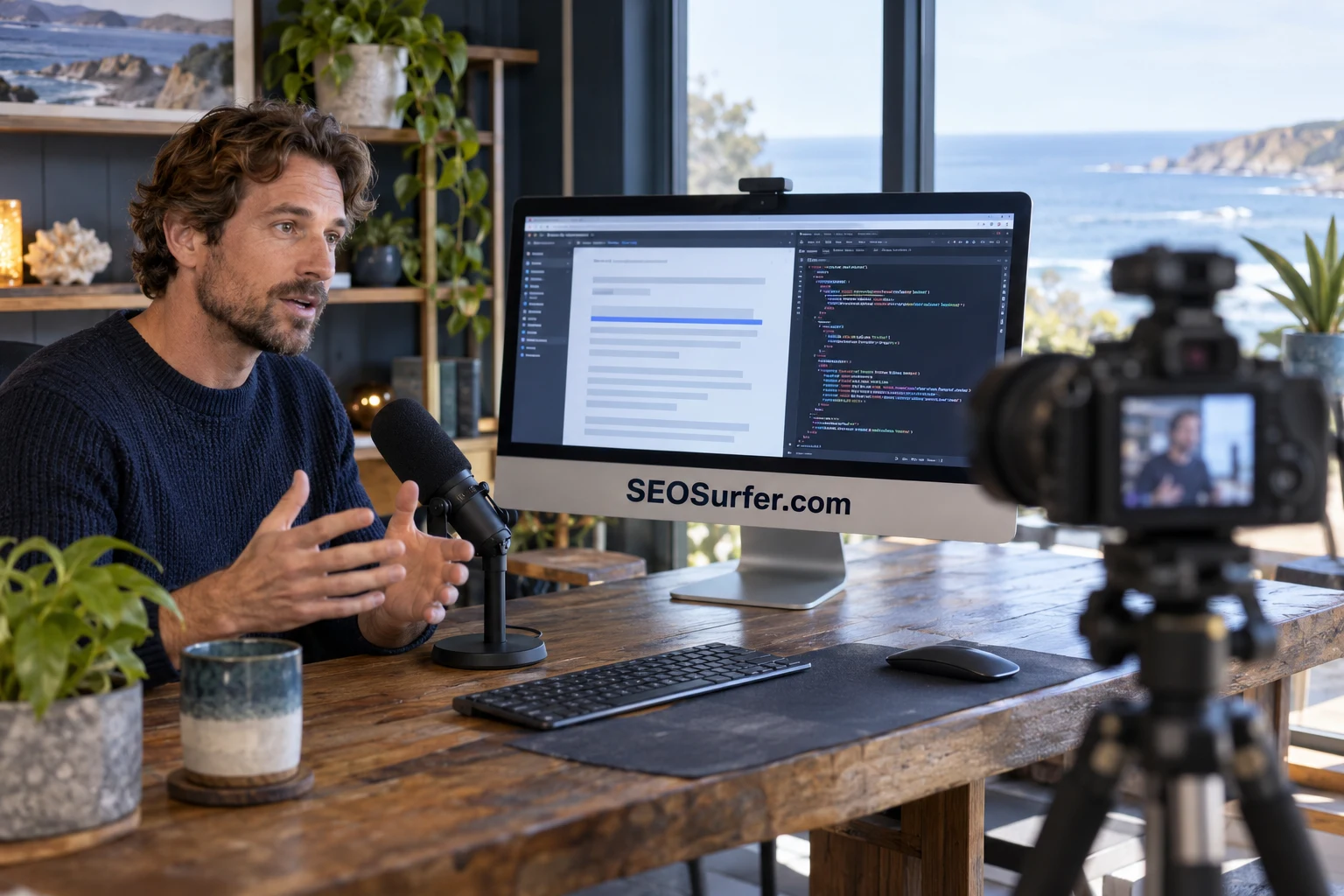
A website owner can open a search report and see dozens of numbers without knowing what to do next. A practical field guide could help that person turn one question into a manageable investigation. Under SEOSurfer.com, the product might be a paid publication with worked lessons, annotated examples, and a short path from reading to action. This is an illustrative business concept for a future buyer, not an existing membership.
Choose a reader with a real website
I would begin with independent owners who maintain their own business websites and can make small changes themselves. They may understand their customers well but have limited time for technical study. A useful lesson should respect that situation. It should start with a recognizable problem, use an example they can follow, and end with a decision they are equipped to make.
The first audience could be much narrower than all small businesses. For example, interview owners of professional-service websites who publish occasional articles and rely on inquiries. Ask them to describe the last time they worried about search performance. What did they look at? Where did they get stuck? What did they try? Their actual sequence of actions will reveal more than asking whether they would like an SEO newsletter.
Make the lesson the product
A first issue could follow one fictional but realistic question: an older article received fewer visits this month, and its owner wonders whether to rewrite it. The lesson would show the starting observation, the questions to ask, and several possible explanations. It could end with a small worksheet that helps the reader record what they found. The value is the thinking process and a useful next action, rather than access to a large pile of information.
Keep the example small enough to finish in one sitting. Explain unfamiliar terms at the point they become necessary. Include a completed version so readers can compare their work with a model. A good editor should be able to remove a paragraph and say what practical understanding would be lost. If nothing changes, the paragraph probably belongs elsewhere or can be cut.
Build a sustainable paid offer
A membership might include a monthly worked lesson, an archive organized by problem, and a group question session. A separate introductory issue could remain free so prospective members understand the format before paying. The initial price would need testing with the chosen audience; the business should avoid assuming that a long lesson automatically feels valuable.
The recurring promise should match the editor's capacity. One strong lesson that answers a common question may be more useful than weekly material written to fill a calendar. Track how many readers complete an exercise, what decisions it helps them make, and which parts require explanation. Renewal conversations can ask what the member actually used, giving the editor a better signal than the number of articles published.
Find readers through a complete example
Distribution can start with a public sample shared where the chosen owners already ask questions. A partnership with a web designer who serves that audience might work if the lesson helps the designer's clients become more confident. A short workshop can also test whether the format works aloud before turning it into a written issue. Any partnership should explain who provides the material and whether a commercial arrangement is involved.
The sample needs to be useful on its own. Give readers an answer they can apply without requiring a subscription to understand the conclusion. The paid invitation can then be straightforward: receive more carefully worked examples and a place to ask about the method. That approach lets the product demonstrate its value before asking readers to trust the larger promise.
Keep the editorial boundaries clear
Search advice needs regular review. Technical claims should link to their original source, and lessons should distinguish documented behavior from the editor's own suggestions. Google's Search Console introduction is a useful starting reference for the tool's role. The field guide's original contribution would be its examples, explanations, and exercises rather than a rewritten copy of documentation.
Avoid turning a fictional example into supposed evidence of a result. Label sample data, state what is unknown, and give readers a way to report unclear or outdated instructions. When a lesson changes, record the date and what changed. The archive should be a maintained product rather than a sequence of undated opinions that readers have to evaluate alone.
Test one issue before building the library
The first prototype can be a single lesson delivered to a handful of willing website owners. Watch where they pause and ask them to explain the next step in their own words. A reader who enjoys the prose but cannot use the exercise has exposed a product problem worth fixing. So has a reader who completes the work but still cannot explain what the result means.
Before commissioning a full archive, ask participants whether they would pay for the next issue and what they would expect to receive. Give them a concrete format and cadence to react to. SEOSurfer.com could provide an approachable home for that publication, but the first proof should be modest and direct: one reader, one useful question, and a lesson that helps them move forward.
A place to begin
Make SEOSurfer.com part of your next chapter.
Ask about acquiring the domain, or introduce a partnership idea.